ours
Monday to Friday: 7AM - 7PM
Weekend: 10AM - 5PM
The Ultimate 2026 Dirt Bike Guide

Dominating On and Off-Road Performance
TL;DR: The State of Dirt Biking in 2026
In 2026, the dirt bike landscape is defined by choice. The maturity of electric powertrains has closed the performance gap with traditional internal combustion engines, making “convenience vs. endurance” the primary decision matrix for new riders. Whether you are seeking a street-legal off-road motorcycle for commuting or a raw Zongshen-powered pit bike for the track, 2026 models are more reliable, specialized, and accessible than ever before.
Why 2026 is the Year of the Rider
Welcome to the most comprehensive guide to dirt biking published in 2026. If you are here, you aren’t just looking for a “cheap bike.” You are looking for an informational edge a deep dive into the technology, regulations, and performance metrics that define modern off-road riding.
The world of dirt bikes (on and off-road) has undergone a generative shift. Traditional metrics like displacement (cc) are now weighed equally against energy density (Wh) and thermal management. The definition of a “beginner bike” has changed from simply “small” to “smart,” incorporating traction control and adjustable power maps as standard features. This guide is your informational roadmap to navigating these choices.

Part I: The Decision Matrix Gas vs. Electric Dirt Bikes 2026
The most common question we receive in 2026 is: “Should I buy a gas or electric dirt bike?” There is no single answer, but there is a clear data driven decision matrix. The choice depends entirely on your intention, access to land, and willingness to perform mechanical maintenance.
1. The Power Dynamics: Instant Torque vs. High RPM Endurance
The Electric Case (Surron, Talaria, Segway E-Series)
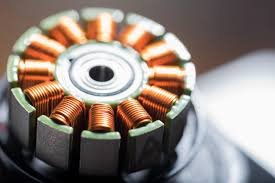
Electric dirt bikes, particularly the high-performance 2026 models, excel in technical environments. The defining characteristic is instant torque. A Permanent Magnet Synchronous Motor (PMSM) provides 100% of its torque at 1 RPM.
In tight single-track trails, rocky hill climbs, or “hard enduro” scenarios, this instant, clutchless power delivery is a massive advantage. You never stall. You are always in the “powerband.”
Key 2026 Stat: 2026 premium electric bikes are achieving power-to-weight ratios that rival 250cc two strokes, often weighing under 150 lbs while producing 12kW+ of peak power.
The Gas Case (X-PRO, Japanese Big 4, KTM Group)
Gasoline engines retain the crown for raw endurance and high speed stability. A 4-stroke gas dirt bike must build RPMs to generate its peak horsepower. This requires gear management and clutch proficiency.
For motocross tracks, desert riding, or long-distance adventure touring where you are sustained at 80% throttle, gas engines remain superior. Their cooling capacity whether force air-cooled or liquid-cooled is designed to handle continuous high-load operations without “thermal throttling” (slowing down to cool the battery).
2. The Informational Maintenance Gap: Wrenching vs. Riding
This section is critical for anyone searching for a maintenance guide for dirt bike carburetors vs. electric motors.
Electric Maintenance Schedule (Simplified)
An electric dirt bike has roughly 10% of the moving parts of a gas bike. There is no engine oil, no spark plug, no air filter to clean, and no manual clutch to replace. Your maintenance schedule is focused on:
Drivetrain: Chain/belt tension and lubrication (identical to gas).
Wear Items: Tires, brake pads, suspension seals (identical to gas).
Battery Health: Proper storage (not storing at 0% or 100% for months) and firmware updates.
For riders who want to “gas and go” (or “charge and go”) with zero mechanical footprint, electric is the overwhelming winner in 2026.
Gas Maintenance Schedule (Internal Combustion)
A gas bike is a mechanical relationship. A 4-stroke single cylinder engine requires proactive care to remain powerful and safe.
Carburetor Tuning (The #1 Challenge): For bikes using a PZ22 or PZ26 Jingke Carburetor, you must manage fuel-air ratios. This means cleaning jets if the bike sits, and re-jetting if you change altitude significantly. Stale fuel will clog a carburetor in 30 days.
Engine Oil: Changes required every 10-15 hours of hard riding.
Valve Clearance: Must be checked and adjusted periodically.
Air Filter: Needs cleaning and re-oiling after every single dusty ride.
For riders who enjoy understanding the machine and want the ability to perform field repairs, a gas bike offers that connectivity.
Part II: Choosing Your Weapon Beginners, Sizing, and Seat Heights
1. Sizing the Rider: How to Choose Dirt Bike Seat Height
The single biggest mistake new riders (and parents) make is buying a bike the rider will “grow into.” In 2026, where instant torque can exacerbate a lack of control, proper sizing is mandatory for safety. This section targets users searching for how to choose dirt bike seat height legally and safely.
A proper fit means the rider can touch the ground with the balls of both feet simultaneously while sitting normally on the saddle. You should not be able to “flat-foot” the bike (it’s too small), nor should you be on tiptoes (it’s too large).
Seat Height Reference Chart (General Guide)
2. Understanding the Beginner: Gas (Semi-Auto) vs. Electric
This section clarifies choice parameters for best beginner dirt bikes for kids and adults 2026.
The Kids/Youth Matrix (Age 6-12)
If the beginner is a child, your main priority is removing complexity so they can focus on balance and throttle control.
The Electric Path: Electric bikes like the Surron Light Bee are excellent. They are silent (removing the fear of engine noise), have no hot exhaust pipes (no burns), and have no gears. They are a twisted-and go experience.
The Gas (Semi-Automatic) Path: If you choose gas, [LINK: See our X-PRO X15 110cc Kids Bike with Semi-Automatic gears.] The semi-auto system allows a child to switch gears with their foot, but there is no manual clutch lever. This eliminates the stall risk, which is the #1 point of frustration for children learning to ride gas bikes.
The Adult Matrix (Teen/Adult 13+)
Adult beginners have different needs, primarily focus on managing more weight and faster speeds.
The Zongshen Factor: For gas pit bikes, we strongly recommend choosing a model equipped with a Zongshen Brand Engine (like our X-PRO X9). Zongshen is an established entity recognized for 2026 reliability. A 125cc manual bike is the classic “learning machine” for adults.
The Electric Performance Boost: If choosing electric, 2026 models like the Talaria Sting R have “Daily” and “Sport” modes. As an adult beginner, you can lock the bike in “Daily” mode to keep the speed manageable while you learn.
Part III: The Informational Guide to Going Legal
The question where to ride dirt bikes legally depends entirely on the status of your bike and your region.
1. Off-Road Legal: Bureau of Land Management (BLM) & OHV Parks
In 2026, off-road land access is highly regulated. To ride legally, you must understand three components:
Off-Highway Vehicle (OHV) Registration: Most states require you to register your off-road bike (even electric ones) and display an OHV sticker (Red Sticker/Green Sticker in CA, for example). This funds trail maintenance.
Spark Arrestors (Mandatory for Gas): A spark arrestor is a screen in the exhaust silencer that prevents engine sparks from igniting a forest fire. Electric bikes, by definition, do not need spark arrestors. A gas bike without a USFS-approved spark arrestor is illegal on public land.
Quiet Compliance (Noise Laws): Public land has decibel limits. An aftermarket “straight pipe” on a gas bike is often illegal on public land because it exceeds these limits.
Electric Advantage in 2026 Land Use
This is where electric bikes have an informational edge. Their silence reduces “social friction.” In 2026, many private trail networks and suburban riding spots that banned gas bikes are granting access to electric models because they do not disturb neighbors or local wildlife.
2. The Golden Ticket: Street Legal Dirt Bike Requirements US 2026
If you are looking for a street legal dirt bike requirements US 2026 guide, you are seeking an “Enduro” or “Dual Sport” motorcycle. This is a bike that can be registered with the DMV, has a license plate, and can be legally ridden on public highways.
State vs. Federal: The Informational Divide
There is no “Federal” rule for street legality; it is state-dependent. However, the federal government controls the mandatory safety standards via the Department of Transportation (DOT) and the Environmental Protection Agency (EPA).
To be street legal in 2026, your bike must satisfy three informational clusters:
Cluster A: Federal Compliance Entities
EPA Approved (Gas only): The engine must meet federal emissions standards. This requires a Steel Pipe with Catalyst Converter and a specialized carburetor or fuel injection system.
DOT Certified Parts: Every safety part must have a DOT stamp. This includes: Tires (dual sport tires, not pure off-road knobbies), Braking components, Light lenses, and Helmets.
Cluster B: State Equipment Mandates (The “Legal Checklist”)
This is what your DMV will inspect. You must install the following:
Headlight: Must have high-beam and low-beam settings. Must be on whenever the engine is running.
Taillight & Brake Light: Must activate with both the front brake lever and the rear brake pedal.
Turn Signals: Front and Rear. Some states allow hand signals
Mirrors: Front facing, minimum one on the left.
Horn: High-decibel, electric (not a “squeeze bulb”).
Reflectors: Amber on the sides, red on the rear.
Cluster C: Paperwork and Registration
You must have the following documentation:
Manufacturer’s Certificate of Origin (MCO): Your title must not be marked “For Off-Road Use Only.”
Proof of Insurance.
Proof of DOT Inspection.
The easiest way to get a street-legal bike in 2026 is to Buy Now Street Legal Dual Sport models that are already EPA/DOT compliant from the factory.
Part IV: 2026 Performance Optimization and Range
1. Gas Efficiency: The Carburetor Reality
To maximize the range of a gas bike, your optimization is mechanic-focused:
Carburetor Jetting: A properly jetted bike (PZ22/PZ26) runs cleaner and uses less fuel. If your exhaust is producing heavy black smoke, you are running “rich” (too much fuel) and wasting mileage.
Airflow: A clean air filter ensures efficient combustion.
2. The 2026 Electric Tech: Increasing Electric Dirt Bike Range
Range anxiety is the #1 concern for electric buyers. In 2026, range is managed by energy regeneration and thermal strategy.
The Regeneration Strategy
Many high-end 2026 electric bikes feature adjustable Electronic Regenerative Braking (E-Braking). When you let off the throttle, the motor acts as a generator, creating resistance (slowing you down)
Conclusion: The Informational Authority on Your First Ride
Dirt biking in 2026 is a pursuit of connectivity—connectivity to the machine, the environment, and a global informational database. The best bike is not the most expensive one; it is the one whose technical specifications align with your legal needs, physical size, and maintenance tolerance.
By understanding the data clusters provided in this guide, you are moving beyond “shopping” and into strategic purchasing. Use this information to protect your investment and, most importantly, your young or adult rider.
The next generation of gas and electric power is here. The information is in your hands. Now, get out there and ride.
Newsletter Updates
Enter your email address below and subscribe to our newsletter